Kenya stands today as the beating heart of rhino conservation in Africa, a place where hope, science, and community unite to protect one of Earth’s most iconic species. From the sweeping plains of Laikipia to the lush grasslands of Nakuru, Kenya’s conservation story is one of resilience, innovation, and global leadership.
The Legacy of Rhinos in Kenya’s Natural Heritage
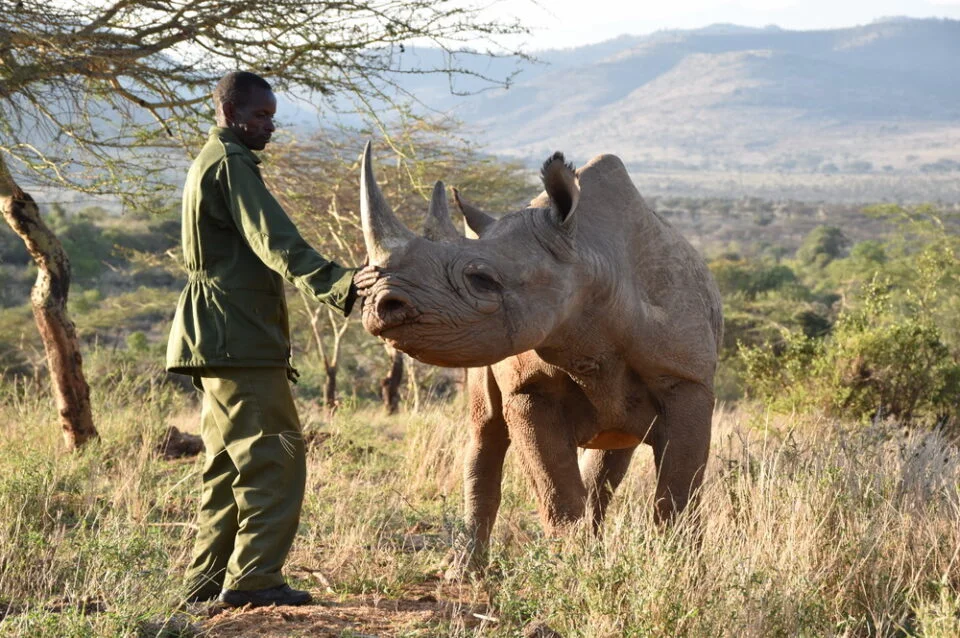
For centuries, rhinos have been integral to Kenya’s natural identity, symbolizing strength, endurance, and the wild spirit of Africa. Yet, by the 1970s and 1980s, rampant poaching nearly erased these magnificent creatures from the country’s landscape. Kenya’s black rhino population fell to fewer than 300 individuals, and the northern white rhino teetered on the brink of extinction.
Determined to turn the tide, Kenya embarked on one of the most ambitious wildlife recovery missions in history a mission that has since made the country a global leader in rhino protection and conservation.
The Turning Point: Kenya’s National Rhino Recovery Program
In 1983, Kenya launched its National Rhino Strategy, a coordinated plan between the government, conservationists, and local communities. Under this framework, rhino sanctuaries were established within secure parks and private conservancies, including Ol Pejeta Conservancy, Lewa Wildlife Conservancy, and Solio Ranch all of which have become global models for endangered species management.
The strategy emphasized three critical pillars:
- Protection: Deploying armed rangers and advanced surveillance systems to combat poaching.
- Breeding: Creating safe environments for rhinos to breed naturally.
- Community Involvement: Engaging local communities as stewards of wildlife rather than adversaries.
Through this collaborative approach, Kenya’s rhino population began a remarkable recovery, with numbers steadily increasing each decade.
Ol Pejeta Conservancy: The World’s Last Northern White Rhinos
No discussion about rhino conservation in Kenya is complete without mentioning Ol Pejeta Conservancy home to the last two northern white rhinos on Earth, Najin and Fatu. These two females are living symbols of what humanity stands to lose and what it must fight to protect.
Ol Pejeta’s conservation team, in partnership with international scientists, is pioneering cutting-edge reproductive technology including in-vitro fertilization (IVF) in hopes of resurrecting the subspecies from the brink of extinction. This innovative blend of science and conservation has positioned Kenya at the forefront of global wildlife biotechnology efforts.
Community-Based Conservation: Empowering People to Protect Rhinos
One of the most powerful aspects of Kenya’s conservation success lies in its community-driven model. Local communities surrounding national parks and conservancies are now key players in rhino protection efforts.
Programs such as the Northern Rangelands Trust (NRT) have transformed once-marginalized areas into thriving wildlife and tourism hubs. Communities receive tangible benefits from conservation from employment opportunities to revenue sharing creating a shared sense of ownership over the fate of wildlife.
This approach not only safeguards rhinos but also promotes sustainable development, education, and peacebuilding in formerly conflict-prone regions.
Technology and Innovation in Rhino Protection
Kenya’s commitment to rhino conservation has embraced the future. The integration of modern technology has revolutionized wildlife monitoring and anti-poaching operations.
- Aerial drones and GPS tracking collars now monitor rhino movements in real-time.
- Thermal imaging cameras and AI-powered surveillance systems help rangers detect poaching threats even at night.
- DNA profiling, through the Rhino DNA Index System (RhODIS), enables authorities to trace the origin of seized rhino horns and dismantle poaching networks across Africa.
By combining traditional conservation knowledge with high-tech tools, Kenya continues to outpace threats and set international standards in wildlife security.
Kenya’s Legal and Policy Framework for Rhino Protection
Kenya has implemented some of the strictest wildlife protection laws in Africa. The Wildlife Conservation and Management Act of 2013 strengthened penalties for poaching and wildlife trafficking, with offenders facing heavy fines and long prison sentences.
Moreover, the Kenya Wildlife Service (KWS) has played an instrumental role in enforcing these laws while promoting public education about wildlife protection. Through consistent government commitment, Kenya demonstrates that strong governance and conservation can go hand in hand.
Tourism’s Role in Sustaining Rhino Conservation
Tourism remains a vital component of Kenya’s conservation economy. Each year, thousands of visitors travel to see rhinos in their natural habitats at Lake Nakuru National Park, Nairobi National Park, and Ol Pejeta Conservancy.
Revenue from park fees and safari experiences directly supports rhino protection efforts funding ranger salaries, habitat restoration, and community programs. Eco-tourism also raises global awareness, connecting travelers emotionally with Kenya’s ongoing mission to save its rhinos.
In essence, every safari becomes an act of conservation.
Challenges Still Facing Rhino Conservation in Kenya
Despite remarkable progress, the battle is far from over. Kenya’s rhinos continue to face threats from:
- Poaching syndicates driven by the illegal horn trade.
- Habitat loss due to agricultural expansion and climate change.
- Genetic bottlenecks among small populations.
To counter these challenges, Kenya continues to expand protected areas, invest in advanced breeding programs, and strengthen international collaboration with organizations such as Save the Rhino International and WWF.
The Future of Rhino Conservation in Kenya
The future of Kenya’s rhinos depends on continued commitment from governments, communities, and global partners alike. With the success of sanctuaries, the dedication of rangers, and the advancement of science, Kenya has become a blueprint for wildlife restoration across Africa.
By combining tradition with innovation, and passion with protection, Kenya stands as a living testament to what humanity can achieve when nature becomes our shared responsibility.
Every rhino saved today is a victory for future generations a reminder that Africa’s wild heart still beats strong in Kenya.