Picture this: You’re in an open vehicle as the African sun begins to rise. The air is crisp, and in the distance, you spot a lioness and her cubs. This is the magic of safari – an experience that stays with you forever. But to fully immerse yourself in this adventure, you need to be perfectly prepared. That’s where this ultimate safari packing list comes in, brought to you with years of Whitestone Safaris’ expertise. Knowing what to pack for a safari ensures you’re comfortable, prepared, and ready to capture every magnificent moment.
Packing correctly does more than just prevent overpacking – it ensures you have the right gear for changing temperatures, the proper clothing to blend with the environment, and the essential items that make your safari experience seamless from sunrise game drives to starlit campfire conversations.
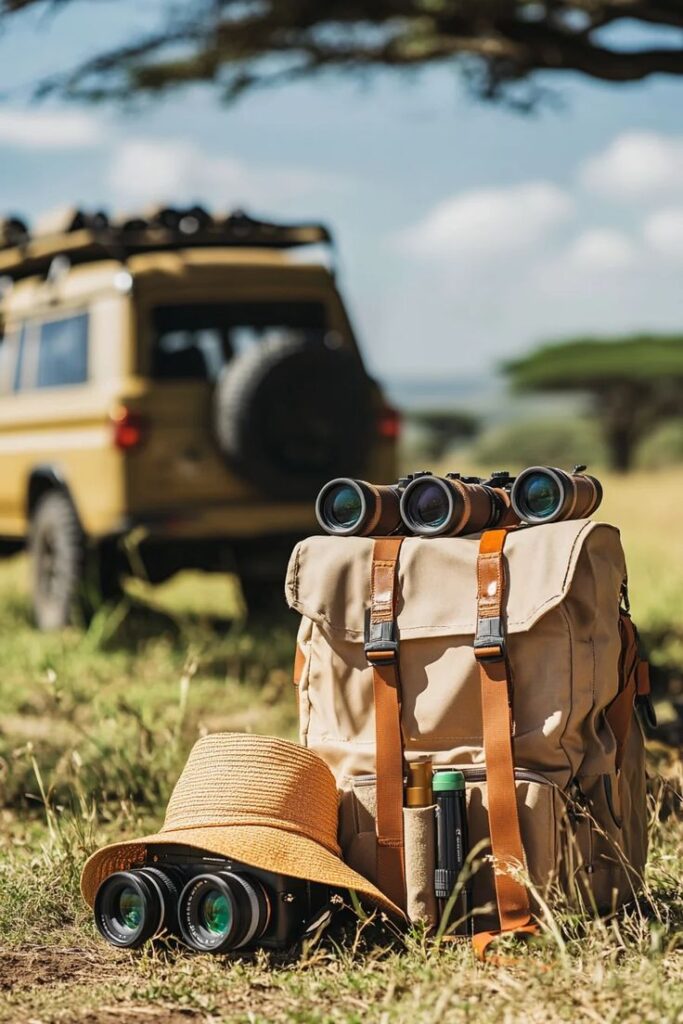
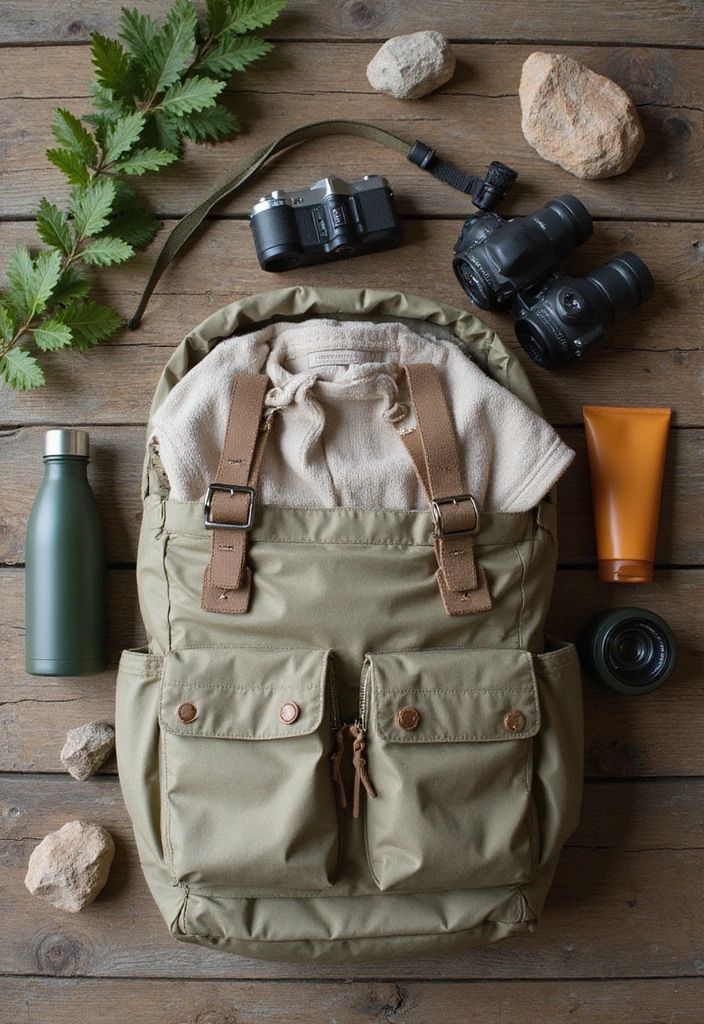
Why the Right Safari Packing is Crucial
Proper packing is the invisible companion to every great safari adventure. It’s what stands between you and discomfort, missed photographic opportunities, or logistical headaches. When you pack correctly, you’re not just filling a bag – you’re curating a collection of items that will enhance every aspect of your journey into the wild.
The right safari essentials serve multiple purposes: they keep you comfortable during dramatic temperature swings, help you remain unobtrusive during wildlife viewing, and ensure you meet strict luggage restrictions on charter flights. Most safari camps and lodges, including those selected by Whitestone Safaris, offer daily laundry services. This means you can pack light – typically 2-3 days of clothing is sufficient for trips of any length.
Essential Clothing & Apparel
The secret to safari clothing lies in choosing the right colors, fabrics, and layers. Leave your bright patterns and dark blues at home – these can attract unwanted attention from insects or wildlife. Instead, build your wardrobe around these safari-friendly pieces:
- Neutral-colored tops: Pack 2-3 long-sleeve shirts in khaki, olive green, or light brown. These protect from the sun and insects while keeping you cool. Include 2-3 short-sleeve or sleeveless shirts for warmer midday periods.
- Bottoms: Bring 2 pairs of convertible pants or lightweight trousers, plus one pair of comfortable shorts for lounging at camp. Zip-off pants are particularly versatile for changing conditions.
- Layering pieces: A lightweight fleece or packable down jacket is essential for chilly morning game drives. A warm sweater or sweatshirt will serve you well around camp in the evenings.
- Specialized clothing: Don’t forget a packable rain jacket for unexpected showers, and comfortable pajamas – nights can get surprisingly cold in the bush.
The Ultimate Clothing Checklist
Technical Gear & Gadgets
Your safari essentials extend beyond clothing to the equipment that will capture memories and enhance your wildlife viewing. The African light presents unique challenges and opportunities for photographers, while the vast landscapes demand proper optics to appreciate fully.
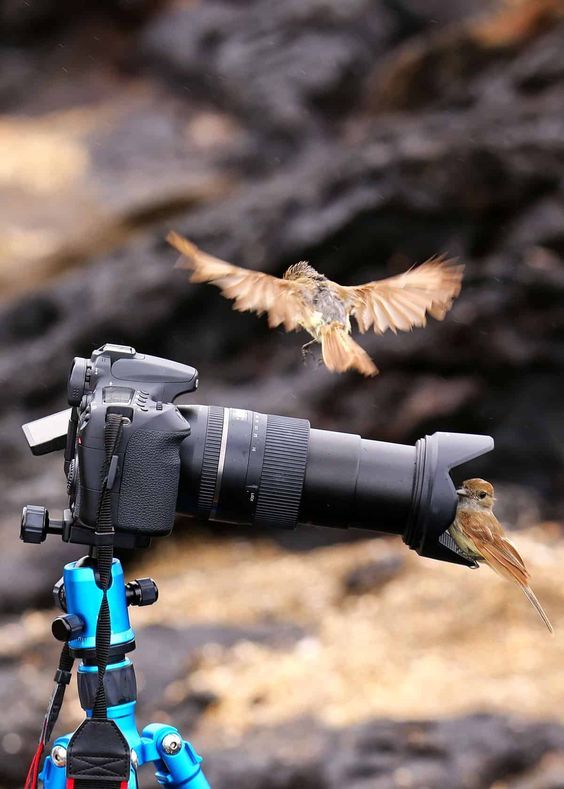
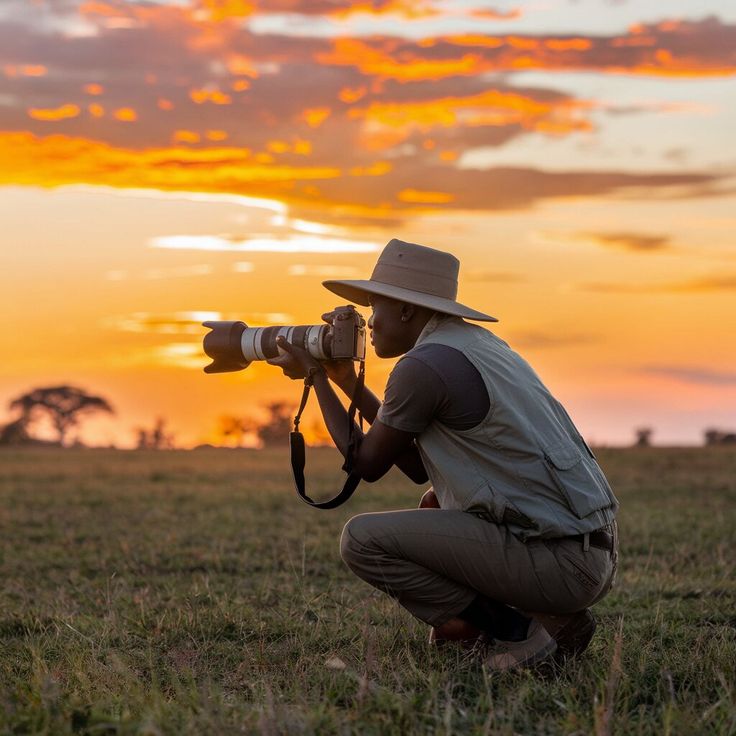
- Camera equipment: A DSLR or mirrorless camera with a zoom lens (200-400mm range is ideal) will help you capture stunning wildlife shots from a safe distance. Don’t forget extra memory cards – you’ll take hundreds more photos than you anticipate – and multiple camera batteries.
- Binoculars: Personal binoculars (8×42 or 10×42 magnification are ideal) let you spot distant elephants, identify birds, and observe animal behavior without waiting for a shared pair.
- Power solutions: A high-capacity power bank is essential for keeping devices charged during long game drives. Include a universal power adapter with multiple USB ports, as camps may have limited outlets.
- Backup storage: Portable SSD hard drives ensure you don’t lose precious photos. Consider a lightweight laptop or tablet for reviewing images and creating daily backups.
Health, Safety & Travel Documents
While adventure is the goal, preparation is your safety net. Remote locations mean limited access to pharmacies, so a well-stocked personal kit brings peace of mind. Keep these health and safety safari essentials within easy reach throughout your journey:
- Medications: Pack more than enough prescription medications in their original containers. Include a personal first-aid kit with bandages, antiseptic wipes, pain relievers, anti-diarrheal medication, and any personal medications.
- Sun and bug protection: High-SPF sunscreen and UV-protection lip balm are non-negotiable under the African sun. DEET-based insect repellent protects against mosquitoes and tsetse flies, especially during dawn and dusk.
- Eye care: If you wear contact lenses, bring solution and extra pairs, plus backup glasses – dust can irritate game drives.
- Hydration: A reusable water bottle ensures you stay hydrated while reducing plastic waste in pristine environments.
Essential Documents Checklist
- Travel documents: Passport (with at least 6 months validity), visa copies, travel insurance documents with emergency evacuation coverage
- Health documents: Vaccination certificates, personal health insurance cards, copies of prescriptions
- Financial items: Local currency for tips and souvenirs, credit cards, and emergency contact numbers
- Reservation details: Printed copies of your safari itinerary, flight confirmations, and Whitestone Safaris contact information
What NOT to Pack for Your Safari
Knowing what to leave behind is as important as knowing what to bring. Many first-time safari travelers overpack or include impractical items, prohibited, or unnecessary in the bush environment.
- Plastic bags: Several African countries, including Kenya, Rwanda, and Uganda, have banned single-use plastic bags. Avoid packing toiletries in plastic bags and use reusable alternatives instead.
- Camouflage clothing: In many southern African countries, camouflage or military-patterned clothing is prohibited as it’s associated with military personnel.
- Hard-sided luggage: Charter flights require soft-sided duffel bags – hard suitcases simply won’t fit in small aircraft compartments.
- Hairdryers and styling tools: Most safari camps cannot support high-wattage appliances due to generator power systems.
- Drones: These are prohibited at most camps and in national parks due to noise pollution and disturbance to wildlife.
- Excessive clothing: Remember the laundry services! You need far fewer outfits than you might think.
- Valuables and jewelry: Leave expensive jewelry and non-essential valuables at home to prevent loss or damage.
- Perfumes and strong scents: Animals have sensitive senses of smell, and strong fragrances can deter wildlife or attract insects.
How Whitestone Safaris Elevates Your Packing Experience
At Whitestone Safaris, we believe preparation is the foundation of an extraordinary adventure. That’s why we enhance your packing process with exclusive services designed to eliminate stress and maximize your comfort in the wild.
- Customized pre-trip packing checklist: Every Whitestone Safaris guest receives a personalized packing list tailored to their specific itinerary, season of travel, and planned activities. Whether you’re heading to the Serengeti, Kruger, or Botswana’s Okavango Delta, we ensure you’re perfectly prepared for your unique adventure.
- Expert packing consultation: Our safari specialists provide one-on-one guidance to answer all your questions – from what shoes work best for walking safaris to how to organize your camera gear for quick access during game drives.
- On-Demand Gear Rental: Say goodbye to expensive equipment purchases! We offer premium gear rental, including binoculars, camera lenses, and professional photography equipment sourced from local partners.
- Exclusive local insights: Our ground teams provide real-time updates on weather conditions and specific packing recommendations based on recent wildlife movements and trail conditions.
When you travel with us, you gain more than a guide – you gain a partner dedicated to perfecting every detail of your African safari experience. From your initial booking right through to your return home, we’re there to ensure your complete comfort and satisfaction.
Conclusion
Your African safari represents a journey into the heart of the wilderness, where preparation meets spontaneity in the most magical ways. By following this comprehensive safari packing list, you’re not just filling a bag – you’re curating the tools for an unforgettable adventure. Remember the key principles: pack light in neutral colors, layer for changing temperatures, prioritize your photography gear, and always keep essential documents accessible.
The wild is calling – and now you’re perfectly prepared to answer. For your free, personalized packing checklist customized to your specific safari itinerary, contact Whitestone Safaris today. Our safari experts are ready to help you plan every detail of your journey.
Ready to embark on your perfectly prepared adventure? Explore our exclusive safari packages and let us help you create memories that will last a lifetime.