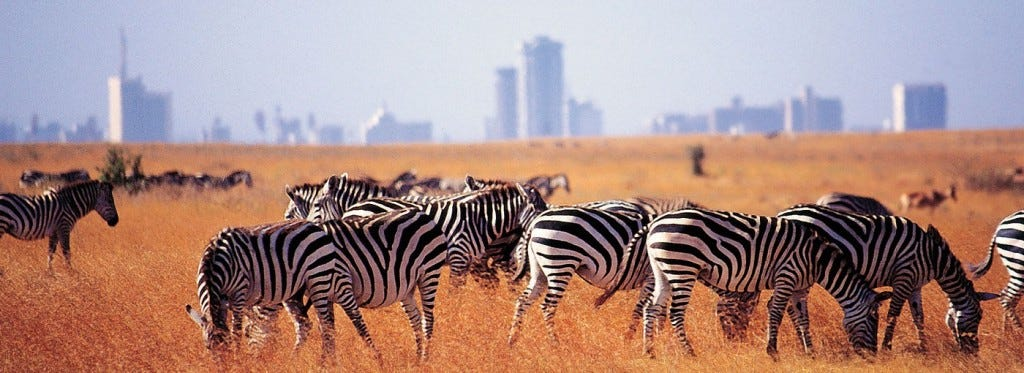
Imagine watching a pride of lions lazily soaking up the sun, with the towering skyscrapers of a bustling capital city visible just beyond the plains. This is not a scene from a movie; it’s the daily reality at Nairobi National Park, the world’s only wildlife capital. Located just 7 kilometers south of Nairobi’s central business district, this unique park offers an incredible safari experience minutes from the urban jungle. It’s a startling blend of two worlds, where giraffes and zebras roam freely against a backdrop of airliners descending into the nearby airport, creating an unforgettable introduction to Kenya’s spectacular wildlife.
History & Significance: Kenya’s Conservation Pioneer
Nairobi National Park holds the distinguished title of being Kenya’s first national park, officially established in 1946. Its creation was driven by conservationists like Mervyn Cowie, who, upon returning to Kenya in the 1930s, was alarmed by the dwindling game animals on the Athi plains due to expanding farms and livestock. His campaigning led to the protection of this vital ecosystem.
The park has since been at the forefront of Kenya’s conservation efforts. In a powerful statement against the ivory trade, President Daniel Arap Moi burned twelve tons of confiscated ivory here in 1989, an event commemorated by the Ivory Burning Site Monument within the park. Today, the park is a “Kifaru Ark” (Rhino Ark), serving as one of Kenya’s most successful black rhino sanctuaries.
Wildlife & Attractions: A Haven for Endangered Species
Despite its proximity to the city and relatively small size of 117 km² (45 sq mi), Nairobi National Park boasts a large and varied wildlife population. It is home to over 100 mammal species and an astounding 500 bird species, making it a bird-watcher’s paradise.
Iconic Wildlife
The park is famous for its dense population of endangered black rhinos, which are regularly translocated from here to other parks to support breeding programs. You can also spot four of the “Big Five” lions, leopards, buffaloes, and rhinos (elephants are absent). Other common sightings include Masai giraffes, zebras, cheetahs, hyenas, hippos, and various antelope species like impala and Thomson’s gazelle.
Key Attractions
- David Sheldrick Wildlife Trust: A sanctuary within the park that hand-rears orphaned elephant and rhino calves, offering a chance to see these adorable youngsters during public feeding times.
- Nairobi Animal Orphanage: Founded in 1963, this facility cares for injured and orphaned animals, providing close-up views of a variety of species.
- Ivory Burning Site Monument: A historic site symbolizing Kenya’s commitment to protecting its elephants.
- Hippo Pools: A walking trail near the Nairobi River where you can see hippos and crocodiles on foot.
Things to Do in Nairobi National Park
Your adventure in the park can be as varied as you wish. Here are the top activities to include in your itinerary.
1. Game Drives
The classic way to experience the park is on a game drive. You can choose a self-drive option or, for a much richer experience, hire a certified guide from a tour operator like Whitestone Safaris who knows the best spots for wildlife sightings.
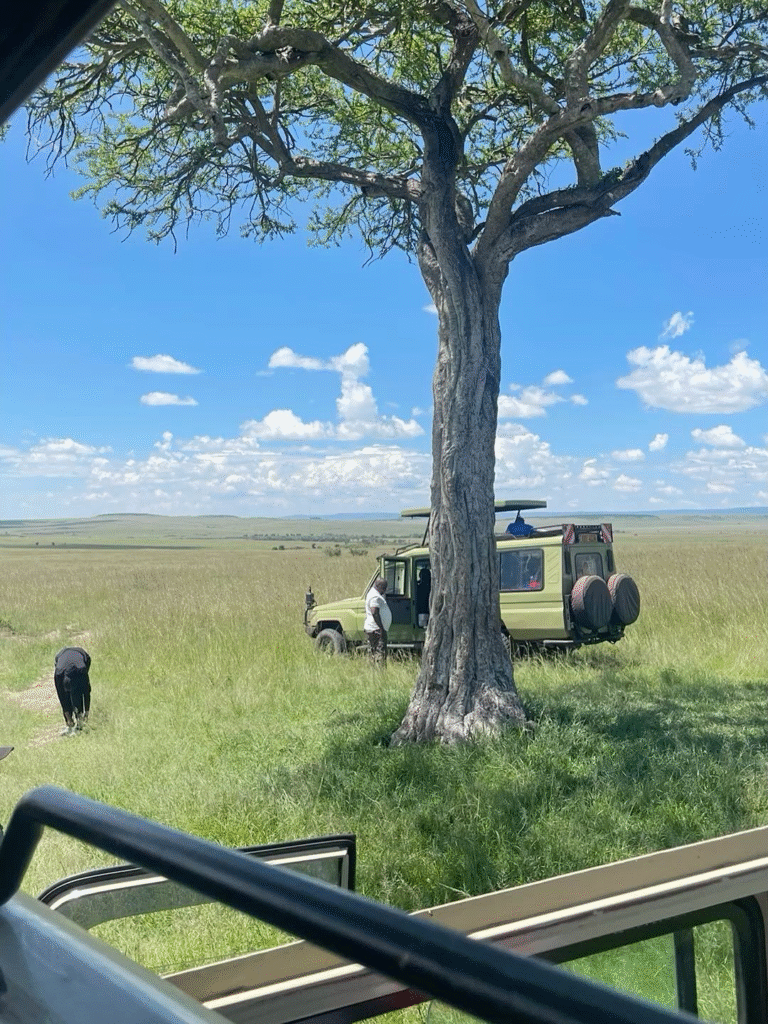
- Early Morning Drive: Animals are most active in the cool hours after dawn, offering the best chance to see predators in action.
- Afternoon/Evening Drive: A great alternative to see animals as they prepare for the night.
2. Specialized Safaris
- Photography Safari: Led by experts, these tours help you capture stunning images of wildlife and landscapes.
- Walking Safari: For a more immersive experience, some operators offer guided walking safaris along specific trails like Hippo Pools.
- Combination Tour: Many tours combine a park visit with nearby attractions like the Giraffe Centre or Karen Blixen Museum.
3. Picnicking and Scenic Views
The park has several designated picnic sites, such as Kingfisher and Impala Point, which offer breathtaking views and are perfect spots for a bush breakfast or lunch, and even host special events like weddings.

Best Time to Visit & Entry Fees
Best Time for Wildlife Viewing
The ideal time for visiting Nairobi National Park is during the dry season, from June to October. During this period, vegetation is thinner, and animals gather around water sources, making them easier to spot. If you visit between July and August, you might witness the local migration of thousands of wildebeests and zebras. The park is, however, open year-round, with the wet seasons (March-May and November) offering lush green scenery and fewer crowds.
Nairobi National Park Entry Fees (2024/2025)
Below are the current entry fees as provided by the Kenya Wildlife Service. Fees are subject to change, so confirming with official sources before your visit is always best.
| Category | EAC Citizen/Resident (KSH) | Non-Resident (USD) |
|---|---|---|
| Adult | 430 | 43 |
| Child/Student | 215 | 22 |
EAC (East African Community) includes Kenya, Tanzania, Uganda, Rwanda, and Burundi. Residents must show valid proof of residence. Payment is made via the KWS eCitizen portal using M-Pesa, Visa Card, or other electronic methods.
Travel Tips for Your Visit
To make the most of your safari in Nairobi, keep these practical tips in mind.
- How to Get There: The park is easily accessible by road from Nairobi city center via Langata Road. You can drive yourself, take a taxi, or most conveniently book a tour that includes transport.
- What to Carry: Bring binoculars, a camera, sunscreen, a hat, sunglasses, and insect repellent. Carry plenty of drinking water.
- Park Rules to Follow: Respect the wildlife and environment. Key rules include :
- Do not get out of your vehicle except at designated areas.
- Animals always have the right of way; maintain a distance of at least 25 meters.
- Do not feed the animals or litter.
- The park is open from 6:00 AM to 6:00 PM daily.
- Guides are recommended: Unless you are very familiar with the park, hiring a guide significantly increases your chances of seeing specific animals, as they communicate with each other about recent sightings.
Conclusion: Your Unforgettable Nairobi Safari Awaits
Nairobi National Park is more than just a park; it’s a symbol of Kenya’s dedication to conservation and a unique natural wonder that you simply won’t find anywhere else on Earth. It offers a perfect, time-efficient safari experience, whether you’re on a layover or beginning a longer Kenyan adventure.
Ready to witness lions against a skyline and rhinos in the shadow of the city? Start planning your unforgettable journey to Nairobi National Park today! Let Whitestone Safaris craft the perfect urban safari experience for you. Visit us at www.whitestonesafaris.com to book your adventure.